Public gathering spaces like taverns, inns, and bars are the scenes where the most character development often occurs in tabletop role-playing games. There, characters unwind, gather intel, reveal more about themselves, and interact with a wide cast of NPCs.
In these spaces, player characters can reveal important aspects of their backstories and sometimes unintentionally surface obscure aspects of their personalities.
But a lot of the time what can be a highlight of a session turns into a boring pit stop. “You enter the tavern. What do you do?”
As a Game Master, you have the ability to turn these boring stops into dynamic spaces where characters come alive. In this article, I’ll break down some of the ways my playgroups make them memorable, immersive, and integral to our campaigns. Whether you’re running a fantasy epic in Dungeons & Dragons, a cyberpunk thriller in Shadowrun, or a horror mystery in Call of Cthulhu, these tips can add a lot to your game.
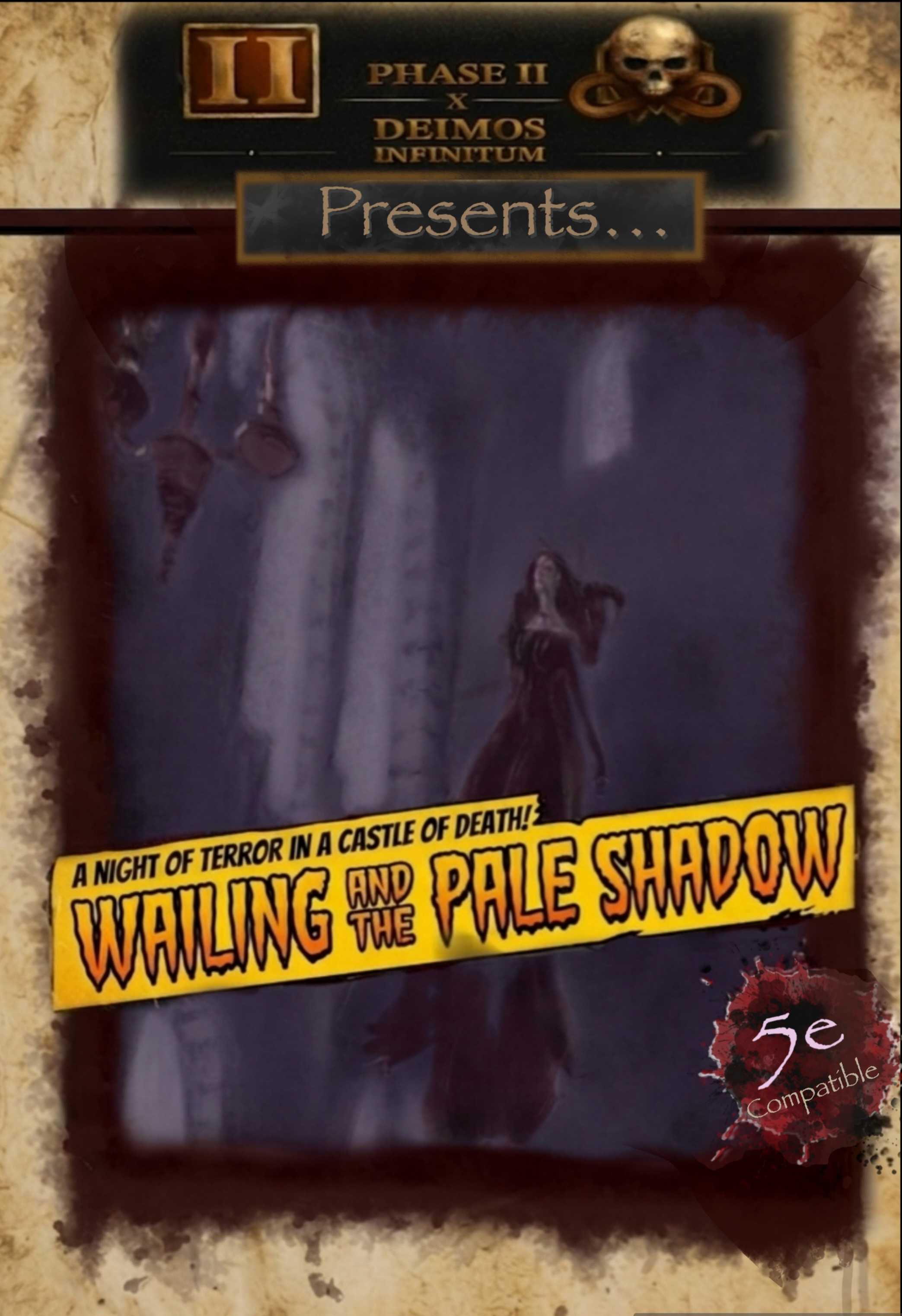
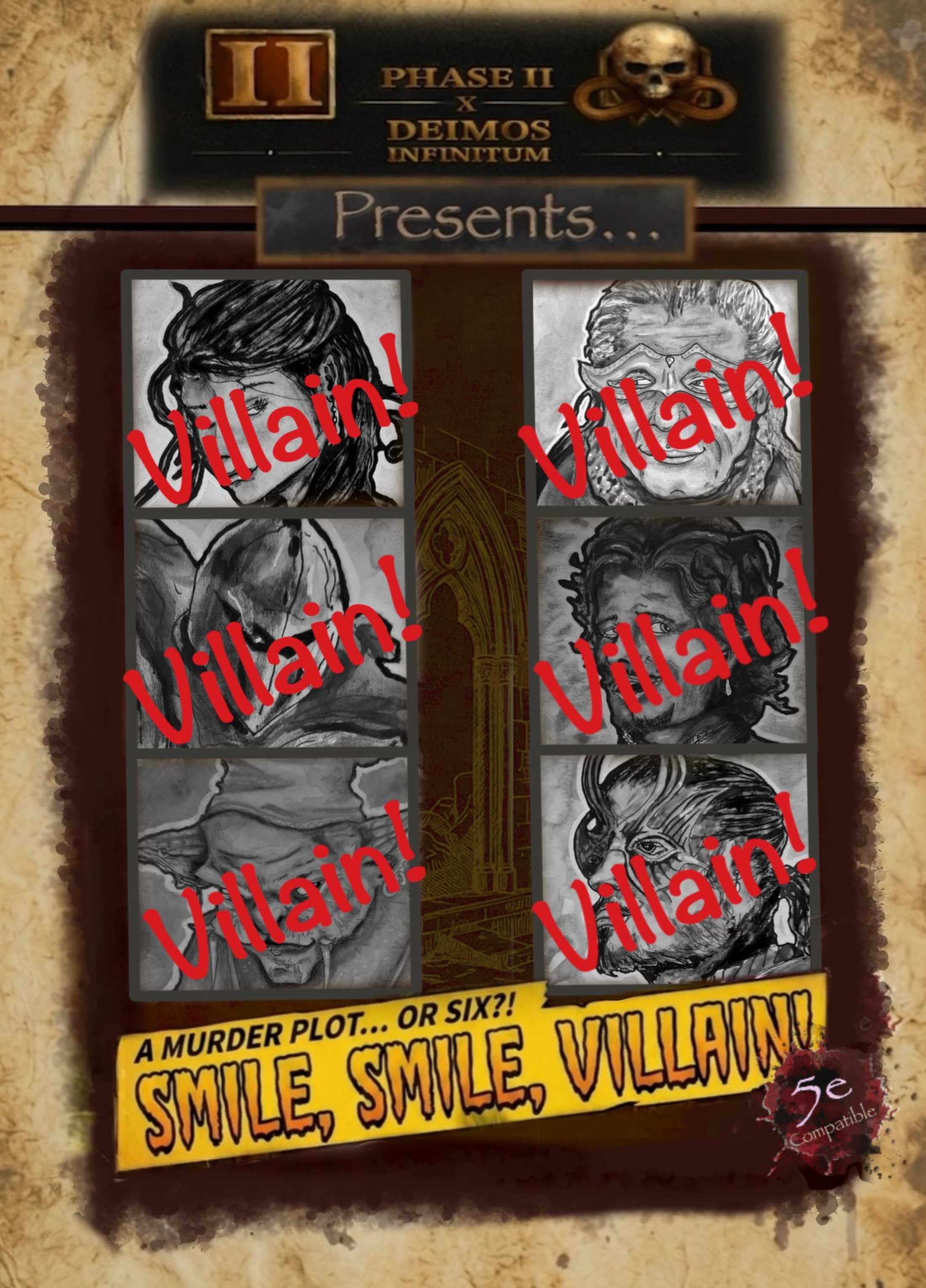
Check out the adventure, “Smile, Smile, Villain!” for 5e below; it features some captivating characters, settings, and events:
Why Bother?
Taverns and inns are some of the most common places PCs spend their time outside of dungeons. Players role-play, negotiate, and gather information. Making every tavern a generic “pub” can quickly lead to bored players scrolling on their phones. Common pitfalls include:
- Repetition: Every tavern feels the same. Wooden tables, surly bartender, shady corner table.
- A Waste of Time: Nothing happens beyond ordering ale.
- Missed Opportunities: These spots could tie into lore, plot hooks, or character backstories, but in most games they don’t.
By infusing even just a bit of personality, you can create interesting scenes that your players will talk about for weeks.
Building the Foundation: Atmosphere and Description
Start with the senses. Don’t just say “it’s a tavern.” Paint a mental picture that immerses players and enhances the world’s flavor.
- Sensory Details: Describe sights, sounds, smells, tastes, and textures. For a bustling fantasy inn: “You immediately are taken aback by the cozy scents of roasting mutton and pipeweed. People laugh and play dice in the corner while the bard plays a lively tune. The floorboards creak under you, sticky from spilled mead.” In a sci-fi bar: “Neon lights flicker above you, and augmented patrons speak in code. Your stool is vibrating from the bass of underground electro-beats.”
- Thematic Ties: Connect the descriptions to the tone of the campaign. A halfling inn might have oversized cushions and herbal tea, adding to the whimsical feel. A vampire-haunted tavern could be lit by dim candlelight with a menu of “red wine” that’s thicker than it should be.
- Dynamic Elements: If it’s a place the PCs visit more than once, seeing the place change over time makes the world feel alive. Weather could flood the inn, forcing patrons to huddle together and share stories. Or a festival turns the public square into a chaotic market with street performers and pickpockets.
Keep descriptions short. Aim for 2–3 sentences to set the scene without overwhelming players. Use them to foreshadow events, like a nervous glance from the innkeeper hinting at trouble.
Don’t read boxed text at your players. Speak naturally and they’ll pay more attention.
Populating with Memorable NPCs
People make places. Fill your tavern with interesting patrons who make the PCs curious enough to engage.
- The Bartender / Host: Make the bartender more than a drink-slinger. Give them a secret or motivation. Maybe the elf innkeeper is a retired adventurer with a cursed artifact behind the bar, or the android barkeep in a cyberpunk joint hacks patrons’ implants in order to blackmail them.
- Patrons as Hooks: Create a diverse crowd. Include:
- A merchant spreading rumors about an ancient artifact.
- Another adventuring party boasting about their adventures (potential allies or enemies).
- A mysterious stranger offering a shady deal to anyone who seems capable. Maybe he is smuggling contraband and needs a group to move it.
- Locals with personal struggles: a farmer seeking help against bandits, or a hacker in a modern game looking for a crew to breach a corporation’s firewall.
- Quirks and Conflicts: Add flavor with unique traits. One patron could be a shape-shifting doppelganger in disguise. Another might start a debate on faction politics, drawing players into a conflict between two organizations. In horror games, an NPC could be showing subtle signs of possession, speaking in tongues after a few drinks.
Encourage roleplay by letting NPCs react to player choices. If a character flirts with the barmaid, maybe she gives them information about a secret treasure hidden nearby.
Adding Events and Interactivity
Static spaces are boring. Set up (or randomize) events to keep things interesting:
- Random Encounters with Purpose: Use tables for inspiration, but tie them to the narrative. Roll for:
- A bard’s performance that reveals important lore through a song.
- A gambling game where if the PCs lose, they owe a favor to a crime lord.
- PCs overhearing conversations, like assassins plotting a hit.
- Mini-Games and Challenges: Make some interactions mechanical. In Tales of the Old Margreve, a green knight arrives at the tavern and issues a challenge: whoever is brave and powerful enough to decapitate him can earn a powerful item as a reward. In Pathfinder, run a drinking contest with Constitution saves. In World of Darkness, a persuasion roll could uncover the haven of a vampire.
- Evolving Spaces: Let player choices change the location permanently. In The Shucked Oyster (a third-party supplement for Shadowdark), the place may catch fire, burn down, and eventually be rebuilt. You can bring this energy to your own games. If the PCs help the innkeeper fend off robbers, the place thrives with grateful patrons offering drinks. In multi-session campaigns, revisiting these spaces shows the progression of the story. That quaint tavern could become a war-torn refuge later.
Tying It to the Bigger Picture
Integrate these places into your world-building.
- Plot Hooks Galore: Use them as quest launchpads. A notice board might advertise jobs. In Horror at Yishusu Landing, PCs can pick up bounties and jobs from the Church, which serves as a public gathering place.
- Character Development: Connect the space to PC backstories. A player’s rogue might encounter an old mentor drowning their sorrows at the bar. In D&D, invoke feats like Tavern Brawler for bonuses in fights that break out.
- Cultural and Regional Flavor: Vary descriptions by setting. A desert oasis inn might have hookah lounges and nomadic traders. An underwater tavern in a Blue Rose campaign might have bioluminescent drinks and merfolk bards.
All this said, avoid overload. Not every visit needs drama or intricate detail. Sometimes a quiet night builds tension too.
Examples from Popular Systems
- D&D 5e In Waterdeep: Dragon Heist, the Yawning Portal is a gateway to the Undermountain. It’s a tavern with history, danger underneath it, and regulars who all have their own stories.
- D&D 5e Check out Tales of the Old Margreve by Kobold Press. There is a great inn/tavern in the book that can lead to tons of cool adventures.
- Cyberpunk RED Neon-lit bars could host netrunners jacking into the matrix from booths, with corpo spies listening in from the next table.
- Call of Cthulhu A speakeasy could hide cultists chanting eldritch rites in the basement.
- Shadowdark Check out The Shucked Oyster by Black Lodge Games. It is an entire supplement that revolves around an inn full of interesting characters and events, but is packed with ideas you can use in almost any setting.
- Marvel Multiverse RPG The employees at the local bank could be a supervillain team in the making, with their manager hiding a radioactive bag of coins in the vault.
Adapt these to your homebrew world by making a few minor changes.
Raise a Glass to Better Scenes
Taverns don’t have to be filler scenes between “real” adventures. They are part of the adventure.
If you treat these spaces as living parts of your setting rather than checkpoints on the road to the next dungeon, your players will start treating them the same way. The next time your players walk through a tavern door, ask yourself: is this just a place to order ale, or the moment everything starts to unravel?